Beyond the Finish Line: How Brands Are Turning the New York City Marathon into Retail’s Newest Super Bowl

The New York City Marathon is no longer just a premier athletic competition for long-distance runners; it has rapidly transformed into one of the most lucrative and culturally significant marketing spectacles of the year. Marking the historic 50th anniversary of the modern five-borough race, this year’s event is shattering participation milestones, welcoming an unprecedented influx of runners, and drawing millions of spectators to the streets of New York. As the race scales new heights, it is also capturing the undivided attention of the global retail industry, pulling in an extraordinarily diverse cross-section of brands eager to align themselves with the booming global running movement.
While endemic athletic footwear and apparel giants like Nike, New Balance, and Hoka have long dominated race weekend with high-profile activations, the commercial landscape of the marathon has dramatically shifted. Today, the roster of participating brands extends far beyond traditional sports gear, encompassing unexpected categories such as prestige beauty lines, luxury sleep technology companies, functional beverage giants, and neighborhood hospitality businesses. This broad corporate invasion underscores a fundamental evolution in consumer marketing: sports moments are no longer measured solely by television viewership or stadium attendance, but by deep, immersive, lifestyle-driven community engagement.
Tracing the Evolution: From Local Race to Global Cultural Phenomenon
To understand the magnitude of commercial interest in the modern New York City Marathon, one must examine the event’s storied history. Established in 1970, the inaugural race took place entirely inside Central Park, featuring just 127 entrants, of which only 55 finished. Organized by Vincent Chiappetta and Fred Lebow, the race was a modest local gathering with an entry fee of just one dollar.
The turning point arrived in 1976, under the visionary leadership of Fred Lebow, when the marathon was redesigned to span all five boroughs of New York City: Staten Island, Brooklyn, Queens, the Bronx, and Manhattan. This groundbreaking expansion transformed the race into a global template for urban marathons, capturing the imagination of international athletes and media alike. Over the subsequent decades, the race grew exponentially, weathering historic challenges—including its cancellation in 2012 in the wake of Hurricane Superstorm Sandy—and steadily building its reputation as a cultural touchstone.
By its milestone 50th modern anniversary, the marathon has evolved into a global colossus. The event consistently attracts over 50,000 official finishers, making it the largest marathon in the world. Beyond the runners, more than two million spectators line the 26.2-mile course, turning the city into a continuous street festival. This massive congregation of affluent, health-conscious, and highly engaged consumers presents an irresistible opportunity for brands looking to build authentic connections outside traditional advertising channels.
The Rise of Experiential Marketing and Pop-Up Culture
As traditional advertising channels become increasingly saturated and fragmented, brands are heavily pivoting toward experiential marketing. Major cultural and athletic anchors—such as the U.S. Open tennis championships, the Olympic Games, and now the New York City Marathon—offer physical environments where consumers are primed to engage, explore, and form emotional connections with brands.
The modern running boom, supercharged by the proliferation of local run clubs and digital fitness communities, has turned running into a year-round social lifestyle. Brands are capitalizing on this cultural shift by creating immersive physical destinations along the race route. These pop-ups are carefully designed to serve multiple functions: they offer practical amenities for athletes, host high-energy community events, and double as content-creation studios for social media platforms.
Beverage and Wellness Brands Lead the Charge
Among the most aggressive corporate participants at this year’s marathon is the energy drink brand Celsius, which has established "Club Celsius" in Brooklyn. Situated directly along a high-traffic segment of the marathon route, the multi-day hub operates from October 30 to November 2, serving as a comprehensive sanctuary for athletes, visitors, and local residents.
Kyle Watson, chief brand officer at Celsius, emphasized that sponsoring the marathon aligns seamlessly with the company’s foundational identity.
"The brand was founded in fitness, and it remains an integral part of our DNA," Watson stated. He noted that the programming at Club Celsius was meticulously curated to reflect the realities of modern running culture. Rather than focusing solely on pre-race preparation, the hub features a diverse slate of events, ranging from sunset group runs led by prominent fitness influencers and DJ duos to post-run live dating shows and dedicated recovery sessions for "Medal Monday."
"Running continues to evolve beyond a fitness-only activity into a social gathering," Watson explained. "We wanted our activation to reflect the modernity of running culture and truly serve as a social destination for the weekend."
Cross-Category Expansion: Sleep, Beauty, and Apparel
The infiltration of non-endemic brands highlights how wellness has become a universal corporate denominator. Saatva, a prominent luxury mattress and sleep brand, is executing its first-ever New York City Marathon activation as part of a broader, aggressive sports marketing strategy.
Earlier in race week, Saatva hosted an elite wellness event at its flagship Flatiron store, featuring a high-profile panel discussion on training, recovery, and longevity. The panel included legendary five-time NYC Marathon champion Tatyana McFadden and Frank Reneau, founder of A Mile. A Minute.
Ron Rudzin, founder and CEO of Saatva, pointed out that the marathon’s growing global prestige mirrors a broader societal shift.
"The New York City Marathon reflects how much running has evolved beyond race day into a year-round culture centered on wellness, community, and performance," Rudzin said.
Saatva’s marathon activation is far from an isolated experiment; it serves as a cornerstone of the brand’s multi-year sports marketing roadmap. The company currently serves as the official mattress and restorative sleep partner of USA Track & Field and Team USA, positioning itself for long-term visibility leading up to the 2028 Summer Olympic and Paralympic Games in Los Angeles. By embedding sleep and physical recovery into the performance conversation, Saatva is successfully bridging the gap between home furnishings and athletic achievement.
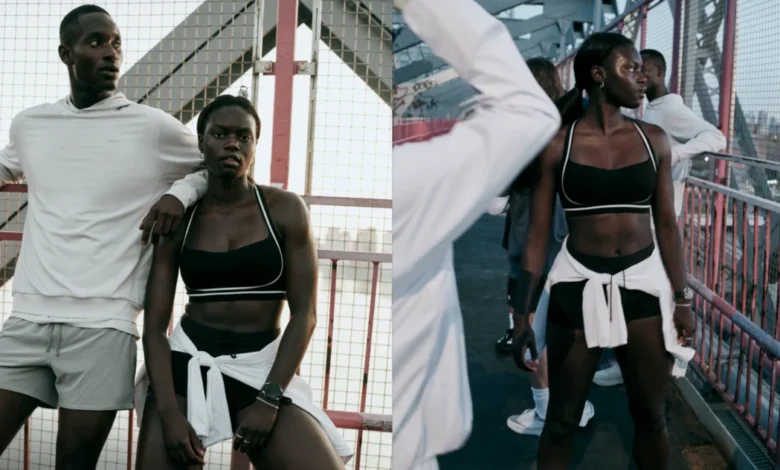
Similarly, performance-apparel brand Vuori is marking its inaugural NYC Marathon activation with a multi-pronged experiential campaign. Anchored by weekend-long events at its Flatiron Manhattan retail location—featuring live DJs, curated refreshments, and limited-edition product drops—the brand is also establishing a high-visibility pop-up in Williamsburg on race day, complete with a branded newsstand and motivational cheer signs.
Ashley Kechter, global president of Vuori, highlighted that the brand’s core philosophy of community through movement makes the marathon an ideal canvas.
"There’s a lot that makes the NYC Marathon special, but the energy and sense of connection around it are what stand out to us as a brand," Kechter noted. "Bringing people together through movement and meaningful experiences is at the heart of Vuori, so we’re excited to do that on race day and beyond."
The Beauty Industry Steps Up to the Starting Line
Perhaps the most surprising evolution in this year’s corporate sponsorship lineup is the heavy presence of beauty and personal care brands. Maybelline New York has stepped up as the official and first-ever beauty sponsor of the marathon, executing a series of high-profile consumer activations across the city. The brand kicked off race weekend festivities by co-hosting a pre-race shakeout run in collaboration with running sunglasses brand Rendezvous Sports, offering product giveaways, community networking, and nutritional snacks to participants.
Simultaneously, indie beauty and skincare brands like Salt & Stone are activating around the city, recognizing that endurance athletes require specialized skincare protection and recovery solutions. This cross-pollination between cosmetics and athletics signals a departure from traditional demographic marketing, signaling that consumers who prioritize physical fitness are equally invested in personal grooming, skincare, and holistic self-care.
Economic Impact and Broader Market Implications
The economic footprint of the New York City Marathon extends far beyond brand activations and pop-up retail stores. According to economic impact studies conducted in prior years, the race injects hundreds of millions of dollars into the local New York economy. Hotels across Manhattan, Brooklyn, and Queens regularly report near-capacity occupancy rates, while restaurants, cafes, and local bakeries experience massive surges in demand as tens of thousands of visiting runners engage in traditional pre-race "carb-loading" and post-race celebrations.
From a strategic market perspective, the intense corporate competition during marathon weekend offers a clear window into the future of sports marketing. Brands are learning that passive sponsorship—such as logo placement on banners or race bibs—is no longer sufficient to capture consumer loyalty. Today’s sophisticated, community-driven consumers demand authentic, immersive experiences that add genuine value to their participation.
As the New York City Marathon looks toward its next fifty years, the convergence of endurance sports, lifestyle retail, and experiential marketing is poised to deepen. Brands that successfully navigate this landscape by offering community-centric, memorable engagement will continue to reap the rewards, transforming the iconic five-borough course into a permanent fixture of their annual marketing calendars.
Related posts: